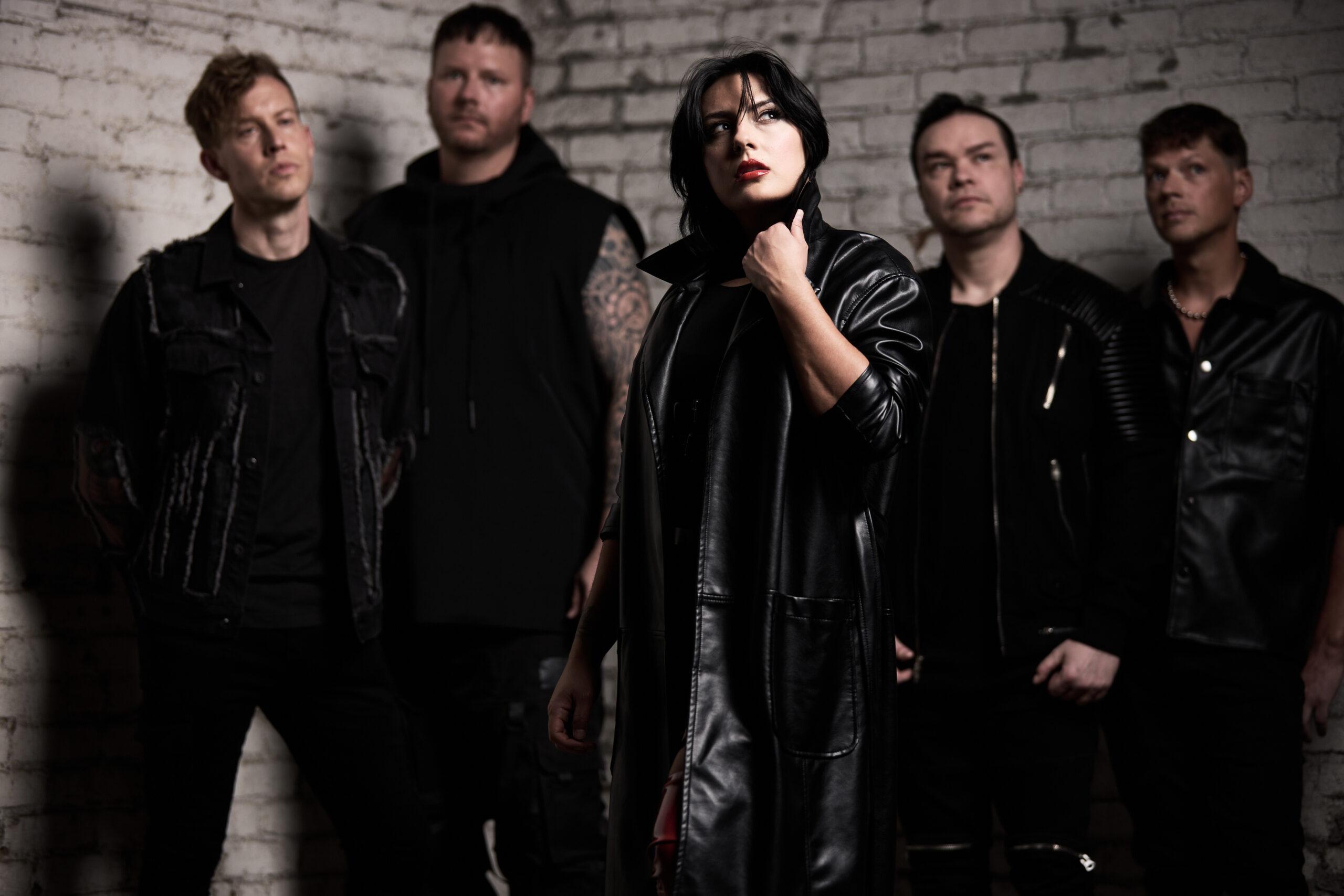
Mit ihrem neuen Album „Villainous“ schlagen Eva Under Fire ein deutlich härteres Kapitel auf. Kraftvolle Nu-Metal-Riffs treffen auf schonungslos ehrliche Texte über Angst, Trauma, persönliches Wachstum und den Umgang mit Rückschlägen. Frontfrau Amanda verarbeitet dabei ihre eigenen Erfahrungen so offen wie nie zuvor und gibt Einblicke in die Gedankenwelt hinter dem bislang persönlichsten Werk der Band. Im Interview mit uns dem Frontstage Magazine spricht Amanda darüber, wie ein einzelnes Gitarrenriff den Sound des Albums maßgeblich geprägt hat, warum ihre Arbeit als Therapeutin und ihre Musik aus derselben inneren Überzeugung entstehen und weshalb „Villainous“ eine direkte Antwort auf Zweifel, Gegenwind und schwierige Zeiten ist. Außerdem verrät sie, warum Authentizität für sie wichtiger war als Erwartungen – und welcher legendäre Filmcharakter das neue Album am besten verkörpern würde.
Frontstage Magazine: „Villainous“ feels noticeably heavier, more aggressive, and more personal than much of your previous work. Was there a specific moment or experience that shaped the overall tone of the album?
Amanda: We were writing in LA and Chris had one of his bouncy, heavy, Nu Metal riffs he loves. The producer said, “I like it but try playing it on this guitar.” It was a super heavy drop-tuned guitar and that was the sound we fell in love with. It was the perfect match to the lyrical themes I wanted to explore on this record.
Frontstage Magazine: Amanda, as both a licensed therapist and a songwriter, how does your professional background influence the way you approach songwriting and the themes explored on Villainous?
Amanda: I feel like it’s more that the person I am influences both my professional spaces and less that one career influences the other. I wanted to make a living talking about stuff that matters. I get to do that in both worlds. My music is my personal therapy. So Villainous is basically handing the world my journal.
Frontstage Magazine: The album tackles topics such as fear, trauma, and personal growth. Was the biggest challenge opening up about these experiences, or finding the right musical language to turn them into powerful rock songs?
Amanda: Neither. It all just kind of flowed. The guys and I were very aligned in the personal growth message of the lyrics. The instrumentation gave the perfect complement to those themes. I also don’t know how to be anyone but me, so honesty is the best policy in my lyrics. Talking about it so directly was cathartic for me.
Frontstage Magazine: Over the years, you’ve built a loyal fanbase through hard work and persistence. In what ways does Villainous reflect the lessons and experiences you’ve gathered throughout that journey?
Amanda: The listeners mean everything to us, but they have never been the problem. If anything, they have been our salvation when times got hard. This album is our response to backlash, chaos, and doubt we’ve encountered along the way. The mood was a little too shiny and happy to be here on album one. I think this time we needed to rip the gloves off and show people how we really feel.
Frontstage Magazine: After the success of Love, Drugs & Misery and tracks like „Blow,“ expectations were certainly high. Did you feel any pressure while creating Villainous, or did you intentionally block out expectations and focus solely on authenticity?
Amanda: The timeline of things never felt like it was on our side. As a result, we never got to write about a lot of key moments until now. So I would say authenticity was most important.
Frontstage Magazine: If „Villainous“ were an actual movie villain, who would it be, why, and do you think it would ultimately save the world or send it spiraling into complete chaos?
Amanda: Catwoman. Morally grey, keeps to herself unless she needs something. Sharp claws. I think it would depend on the world you’re asking her to save—whether she would help you save it or let it burn.
Fotocredit: Eva Unter Fire by Offizielles Pressefoto von „Better Noise Music“. Zur Verfügung gestellt von Oktober Promotion