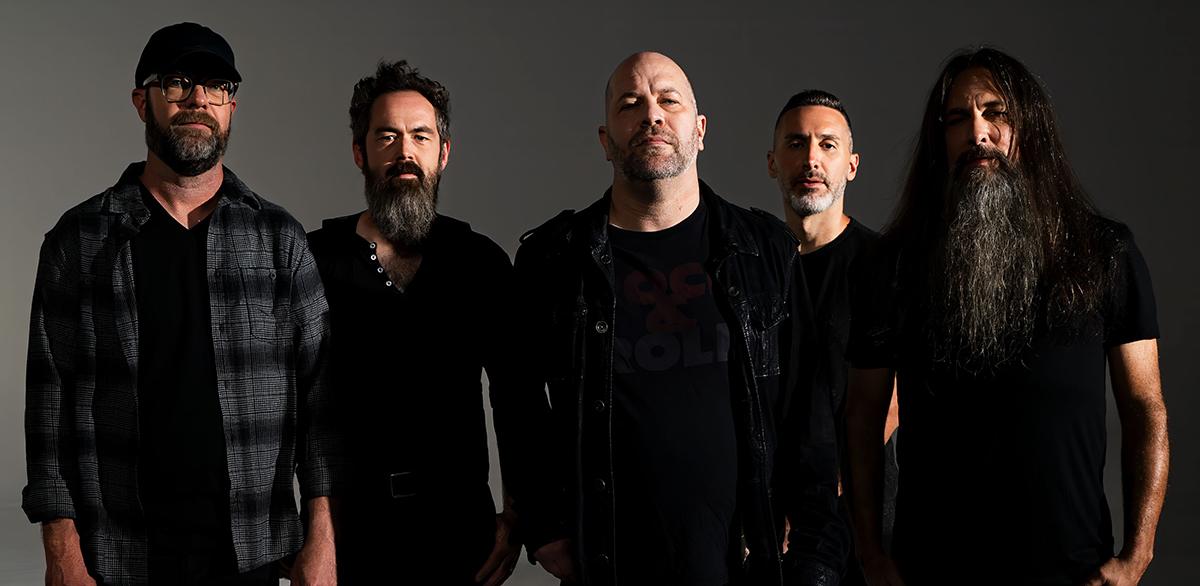
Mit „Last Night On Earth“ veröffentlichen Finger Eleven ihr erstes Studioalbum seit über zehn Jahren – und beweisen eindrucksvoll, dass sie nichts von ihrer Energie, Leidenschaft und musikalischen Präzision verloren haben. Die kanadische Rockband, die mit Hits wie „Paralyzer“ oder „One Thing“ weltweit bekannt wurde, präsentiert ein Werk, das gleichermaßen kraftvoll wie introspektiv ist. Im Gespräch mit uns dem Frontstage Magazine spricht die Band über die Entstehung des Albums, ihre kreative Weiterentwicklung, den Balanceakt zwischen emotionaler Verletzlichkeit und druckvollem Rocksound sowie darüber, warum sich „Last Night On Earth“ wie eine Heimkehr anfühlt.
Frontstage Magazine: “Last Night On Earth” marks your first studio album in a decade. How has your creative process evolved over the years — both musically and within the band dynamic?
Finger Eleven: I’m not sure our process has evolved too much. It’s more democratic than ever, which keeps everybody happy-but of course that process takes longer. Everything speeds up when we all think we’re on the cusp of finding a cool musical idea. My personal process usually starts with listening to what the actual music is telling me. It can tell me where to go. I get my best ideas from listening to the tracks that the guys bring me.
Frontstage Magazine: The title track feels very emotional and intimate. At what point did you realize this was the song that truly defined the album?
Finger Eleven: The idea to name the record after that track was very last minute. The artwork that James was working on was nearly finished. we had only weeks to go before the whole project needed to be wrapped up. It was either Steve or Rick who suggested that the title be „Last Night On Earth“. In any case: it was a very Finger Eleven thing to do. The album is full of harder songs but that doesn’t stop us from shining a spotlight on a more emotional, less guitar driven song. Both sides of the band are very important to us.
Frontstage Magazine: You’ve had major radio success again recently with singles like “Adrenaline” and “Blue Sky Mystery.” Did that momentum inspire confidence going into the new record — or add a bit of pressure to live up to those hits?
Finger Eleven: I never know if a song is going to be a hit and i am grateful that some of the new stuff is finding its way to people. In the end: we can only make music that we truly love and hope that it finds an audience. if it doesn’t: we can always try in another 10 years.
Frontstage Magazine: Rick mentioned that with this album, you wanted to return to a “big rock sound.” How would you describe that shift compared to earlier releases like “Them vs. You vs. Me” or “Five Crooked Lines”?
Finger Eleven: I think we have always swung for the fences, sonically. But after we finished tracking „Adrenaline“, it seemed clear that we had a blueprint to follow. We took our time with the tracks and tried to have them live up to the standard that „Adrenaline“ had set.
Frontstage Magazine: The album balances power with vulnerability — there’s a noticeable emotional maturity throughout. Was showing a more human, reflective side of Finger Eleven something you set out to do intentionally?
Finger Eleven: I try not to have much of an agenda when I’m writing. I try to stay out of the way, in fact. The only mission statement I tried to follow was „please for the love of God, try to stay positive“. I stayed true to that agenda. Mostly.
Frontstage Magazine: After decades as one of Canada’s most successful rock bands, what does “Last Night On Earth” mean to you personally? Would you describe it as a new beginning, a reflection, or a culmination of everything so far
Finger Eleven: I think it really is a culmination of everything so far, yeah. We’ve done our best to stay true to our roots while maturing ever so slightly. I hope fans hear the record and feel a sense of relief that Finger Eleven has somehow found their way back home again.
Fotocredit: Myles Erfurth